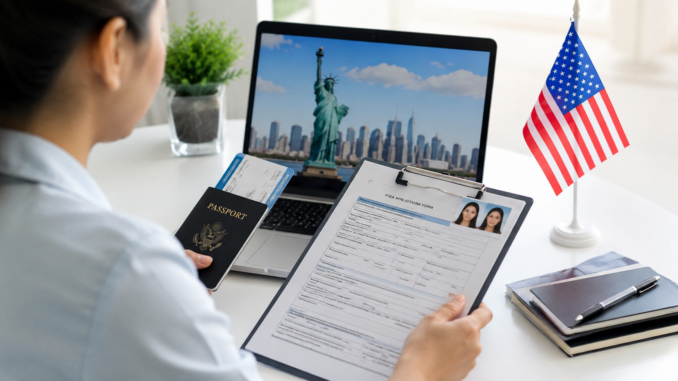
How to Apply for a U.S. Visa Successfully: Step-by-Step Process, Requirements, and Expert Tips
Applying for a U.S. visa can feel overwhelming, especially if it is your first time. The application process involves several steps, including choosing the correct visa category, completing official forms, paying fees, scheduling an interview, and preparing supporting documents. While no applicant can be guaranteed approval, understanding the process and avoiding common mistakes can greatly improve your chances.
This comprehensive guide explains how to apply for a U.S. visa successfully, outlines the basic requirements, and shares practical tips to help you prepare with confidence.
Understanding U.S. Visa Types
Before beginning your application, you need to determine which visa category best matches the purpose of your trip.
Some of the most common U.S. visas include:
Tourist and Business Visa (B1/B2)
Ideal for travelers visiting the United States for tourism, family visits, medical treatment, conferences, or short-term business activities.
Student Visa (F-1)
Designed for students enrolled in accredited schools, colleges, universities, or language programs in the United States.
Exchange Visitor Visa (J-1)
Used by individuals participating in educational or cultural exchange programs.
Work Visa
Various employment visas exist depending on your profession and employer sponsorship.
Examples include:
- H-1B for specialty occupations
- L-1 for company transfers
- O-1 for individuals with extraordinary abilities
Immigrant Visa
Individuals planning to live permanently in the United States usually apply for immigrant visas through family sponsorship, employment, or diversity visa programs.
Selecting the correct visa category is one of the most important parts of the application process.
Step 1: Determine Your Eligibility
Before completing any paperwork, verify that you meet the eligibility requirements for your chosen visa.
Consider questions such as:
- Why are you traveling?
- How long will you stay?
- Can you financially support your trip?
- Will you return to your home country after your visit (for non-immigrant visas)?
- Do you have any previous immigration issues?
Answering these questions honestly helps determine the appropriate visa category.
Step 2: Complete the Online Visa Application
Most non-immigrant visa applicants must complete the DS-160 online application.
The form requests information such as:
- Personal details
- Passport information
- Travel plans
- Employment history
- Education history
- Previous travel
- Family information
- Security-related questions
Take your time while filling out the application.
Common mistakes include:
- Misspelled names
- Incorrect passport numbers
- Wrong travel dates
- Missing employment history
- Inconsistent answers
After submitting the form, save and print the confirmation page.
Step 3: Pay the Visa Application Fee
Most U.S. visas require a non-refundable application fee.
The exact amount depends on the visa category.
Payment methods vary depending on your country and may include:
- Bank transfer
- Online payment
- Authorized payment centers
Keep the payment receipt, as you may need it when scheduling your interview.
Step 4: Schedule Your Visa Interview
Most applicants between certain age ranges are required to attend an interview at a U.S. Embassy or Consulate.
Appointment availability varies by country, so schedule your interview as early as possible.
You will generally need:
- Passport
- DS-160 confirmation page
- Visa fee receipt
- Appointment confirmation
Some applicants may qualify for interview waivers depending on local policies.
Step 5: Gather Required Documents
Having complete documentation is essential.
Common documents include:
- Valid passport
- Passport-sized photograph (if required)
- DS-160 confirmation
- Interview appointment confirmation
- Visa fee receipt
Additional supporting documents may include:
Financial Evidence
Examples include:
- Bank statements
- Income certificates
- Tax returns
- Sponsor documents
Employment Documents
Examples include:
- Employment letter
- Salary slips
- Business registration (for business owners)
Student Documents
Students may need:
- School admission letter
- Form I-20
- Academic transcripts
- Financial support evidence
Family Documents
Depending on your application, you may need:
- Marriage certificate
- Birth certificates
- Invitation letter
- Relationship evidence
Bring original documents whenever possible.
Step 6: Attend the Visa Interview
The interview is often the most important stage of the application.
A consular officer may ask questions about:
- Your travel purpose
- Employment
- Financial situation
- Family
- Education
- Travel history
- Future plans
Remain calm and answer honestly.
Keep your responses:
- Short
- Clear
- Truthful
- Consistent
Avoid memorized speeches.
Step 7: Wait for Visa Processing
After your interview, your application may be:
- Approved
- Refused
- Placed under administrative processing
Processing times vary depending on:
- Visa category
- Country
- Seasonal demand
- Additional security checks
Avoid making irreversible travel plans until your visa has been issued.
Basic U.S. Visa Requirements
Although requirements vary by visa type, applicants generally need:
- Valid passport
- Completed application form
- Recent photograph
- Visa fee payment
- Supporting documents
- Interview attendance (if required)
- Genuine travel purpose
- Eligibility under U.S. immigration law
Meeting these requirements does not automatically guarantee visa approval.
Common Reasons for Visa Refusal
Understanding common mistakes can help applicants avoid unnecessary problems.
Incomplete Applications
Missing information or inaccurate details often delay or negatively affect applications.
Weak Financial Evidence
Applicants should demonstrate they can cover travel expenses if required.
Inconsistent Information
Differences between documents and interview answers may raise concerns.
Insufficient Ties to Home Country
For temporary visas, officers often consider whether applicants are likely to return home after their authorized stay.
Examples of ties include:
- Employment
- Business ownership
- Family responsibilities
- Property ownership
- Educational commitments
False Information
Providing incorrect or fraudulent information can lead to serious immigration consequences.
Always be truthful.
Expert Tips to Improve Your Chances
1. Apply Early
Avoid last-minute applications.
Embassy appointments may have long waiting periods.
2. Double-Check Every Detail
Review your:
- Name spelling
- Passport number
- Dates
- Contact information
Even small errors can create complications.
3. Organize Your Documents
Place your documents in a logical order.
Being organized creates a smoother interview experience.
4. Be Honest
Honesty is essential throughout the application process.
Never submit fake documents or provide misleading information.
5. Practice Interview Questions
Common questions include:
- Why do you want to visit the United States?
- Who will pay for your trip?
- How long will you stay?
- What do you do for work?
- Do you have relatives in the U.S.?
Practice answering naturally rather than memorizing scripts.
6. Dress Professionally
You do not need expensive clothing, but neat and appropriate attire creates a positive impression.
7. Stay Calm
Many applicants become nervous during interviews.
Listen carefully to each question before answering.
Speak confidently and respectfully.
Frequently Asked Questions
How long does a U.S. visa application take?
Processing times vary depending on the embassy, visa category, and whether additional administrative processing is required.
Is a visa interview always required?
Not always.
Some applicants may qualify for interview waivers under specific conditions established by the U.S. Embassy or Consulate.
Can I reapply if my visa is refused?
Yes.
Many applicants submit new applications after addressing the reasons that affected their previous application.
Does having an invitation letter guarantee approval?
No.
An invitation letter may support your application, but approval depends on the overall eligibility and supporting evidence.
Should I purchase airline tickets before approval?
It is generally safer to wait until your visa has been issued before making non-refundable travel arrangements.
Final Thoughts
Applying for a U.S. visa successfully requires careful preparation, accurate documentation, and a clear understanding of the application process. By selecting the correct visa category, completing your application accurately, preparing all necessary documents, and attending your interview with confidence and honesty, you can significantly improve your chances of a smooth application experience.
Remember that every applicant’s situation is unique, and visa decisions are based on U.S. immigration laws and the specific facts of each case. Staying informed, following official instructions, and preparing thoroughly are the best ways to approach your U.S. visa application.
With proper planning and attention to detail, you’ll be well-prepared to take the next step toward your journey to the United States.