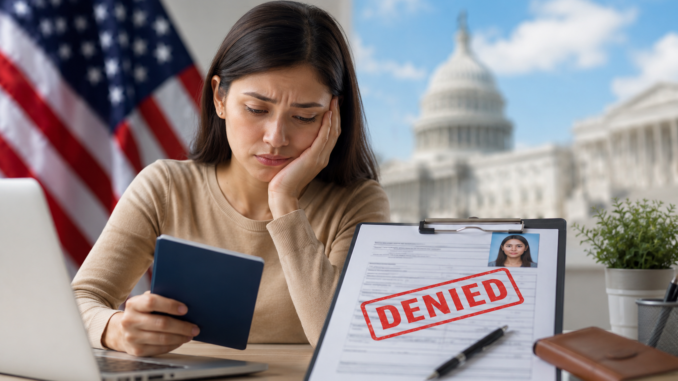
Top Reasons U.S. Visa Applications Get Denied and Practical Ways to Improve Your Approval Chances
Applying for a U.S. visa is an exciting step toward traveling, studying, working, or visiting family in the United States. However, many applicants are disappointed when their visa applications are denied. While a refusal can be discouraging, understanding why applications are rejected can help you prepare a stronger application in the future.
Contrary to popular belief, most visa denials are not based on a single mistake. Instead, they usually result from incomplete documentation, inconsistent information, insufficient supporting evidence, or failure to meet eligibility requirements under U.S. immigration law.
This guide explains the most common reasons U.S. visa applications get denied and provides practical, ethical strategies to improve your chances of approval.
Understanding How U.S. Visa Decisions Are Made
Every U.S. visa application is reviewed individually by a consular officer. The officer evaluates your application based on:
- The purpose of your trip
- Your eligibility for the requested visa
- Your supporting documents
- Your interview responses
- Applicable U.S. immigration laws
Meeting all document requirements does not automatically guarantee approval. The final decision depends on whether you qualify under the law for the visa you are seeking.
1. Incomplete or Incorrect Application Forms
One of the most common reasons for delays or refusals is submitting an application with missing or incorrect information.
Examples include:
- Misspelled names
- Wrong passport numbers
- Incorrect travel dates
- Missing employment history
- Incomplete address information
- Inconsistent answers
Even small errors can raise questions during the review process.
How to Improve
- Carefully review every section before submitting.
- Ensure your information matches your passport and other documents.
- Correct any mistakes before your interview whenever possible.
2. Choosing the Wrong Visa Category
Applying for a visa that does not match the purpose of your travel can lead to complications.
For example:
- Applying for a tourist visa when your primary purpose is to study.
- Using a visitor visa for activities that require a work visa.
- Selecting an immigrant category when your plans are temporary.
How to Improve
Research the available visa categories and choose the one that accurately reflects your travel purpose. If you are unsure, review the eligibility requirements before applying.
3. Insufficient Supporting Documents
Supporting documents help verify the information provided in your application.
Common missing documents include:
- Financial records
- Employment letters
- School admission letters
- Invitation letters
- Travel itinerary
- Relationship documents
Missing evidence may make it difficult for the consular officer to evaluate your application.
How to Improve
Prepare a complete set of relevant documents that support the information in your application. Keep originals and organized copies available for your interview.
4. Weak Financial Evidence
Applicants should generally be able to demonstrate that they can financially support their intended trip or that an eligible sponsor will cover the expenses.
Weak financial evidence may include:
- Limited documentation
- Unclear source of funds
- Inconsistent financial records
How to Improve
Provide clear and genuine financial documentation, such as:
- Recent bank statements
- Salary slips
- Tax documents
- Scholarship letters (for students)
- Sponsor documents, if applicable
Only submit authentic records.
5. Inconsistent Interview Answers
The visa interview allows the consular officer to clarify details about your application.
Problems may arise if your answers differ from the information on your application or supporting documents.
Examples include:
- Different travel dates
- Different employment details
- Contradictory travel purpose
- Inconsistent family information
How to Improve
Review your application before the interview so your answers accurately reflect the information you submitted. Answer questions honestly and directly without guessing.
6. Failure to Demonstrate Strong Ties to Your Home Country
For many temporary (non-immigrant) visas, applicants generally need to satisfy the officer that they intend to leave the United States at the end of their authorized stay.
Examples of ties may include:
- Stable employment
- Business ownership
- Family responsibilities
- Property ownership
- Ongoing education
- Community commitments
How to Improve
Bring documents that support your personal circumstances where relevant, and be prepared to explain your plans after your trip.
7. Previous Immigration Violations
A history of overstaying a visa, violating immigration rules, or other immigration-related issues may affect future applications.
Examples include:
- Staying beyond the authorized period
- Unauthorized employment
- Previous visa cancellations
- Violating visa conditions
How to Improve
Always comply with immigration laws. If you have prior immigration issues, answer questions truthfully and provide any requested documentation.
8. Providing False or Misleading Information
Submitting false information or fake documents is one of the most serious mistakes an applicant can make.
Examples include:
- Fake employment letters
- Altered bank statements
- False educational records
- Incorrect identity information
Such actions can result in visa refusal and may have long-term immigration consequences.
How to Improve
Always provide truthful information and genuine supporting documents.
9. Poor Interview Preparation
Many applicants become nervous during the interview and struggle to answer simple questions clearly.
Common questions include:
- Why are you visiting the United States?
- How long will you stay?
- Who will pay for your trip?
- What do you do for work?
- Do you have relatives in the United States?
How to Improve
Practice answering these questions naturally. Listen carefully, speak clearly, and avoid giving unnecessary information.
10. Missing Required Documents on Interview Day
Some applicants arrive at the embassy without important documents.
Examples include:
- Passport
- Appointment confirmation
- DS-160 confirmation page
- Visa fee receipt
- Required supporting evidence
This may delay the process or affect the officer’s ability to review the application.
How to Improve
Create a checklist before your appointment and verify that all required documents are packed.
Practical Tips to Improve Your Approval Chances
Apply Early
Visa processing times vary depending on the embassy and season. Applying early allows time to address any unexpected issues.
Keep Information Consistent
Every document should match your application.
Ensure consistency in:
- Names
- Dates
- Employment details
- Addresses
- Travel purpose
Organize Your Documents
Arrange your documents in a logical order so you can quickly provide any requested information during the interview.
Dress Neatly
Professional and appropriate clothing helps create a positive first impression. Formal attire is not required, but clean and respectful dress is recommended.
Be Honest
Honesty is one of the most important factors throughout the application process.
Never exaggerate, hide important information, or submit fraudulent documents.
Stay Calm During the Interview
Speak naturally and confidently.
Remember:
- Listen carefully.
- Answer only the question asked.
- Avoid memorized speeches.
- Do not argue with the officer.
Understand Your Travel Purpose
You should be able to explain:
- Why you are traveling
- How long you will stay
- Who is paying for the trip
- What your plans are after your visit
Clear and consistent answers help the officer understand your application.
Frequently Asked Questions
Does a visa refusal mean I can never apply again?
No. A refusal does not necessarily prevent future applications. Depending on the circumstances, applicants may reapply after addressing the issues that affected the previous application.
Can an invitation letter guarantee approval?
No.
An invitation letter may support your application but does not guarantee that a visa will be issued.
Is a high bank balance enough to get approved?
No.
Financial resources are only one factor. Officers consider your overall eligibility, supporting evidence, travel purpose, and compliance with immigration laws.
Should I memorize interview answers?
No.
Natural, truthful, and consistent answers are generally more effective than memorized responses.
Can travel history help?
Previous international travel may provide additional context, but each U.S. visa application is evaluated on its own merits.
Final Thoughts
A U.S. visa denial can be disappointing, but it also offers an opportunity to better understand the application process and strengthen a future application. Many refusals are linked to avoidable issues such as incomplete forms, insufficient documentation, inconsistent information, or applying for the wrong visa category.
The best way to improve your approval chances is to prepare carefully, provide accurate and truthful information, organize your supporting documents, and attend your interview with confidence. While no applicant can guarantee approval, following official requirements and presenting a clear, well-supported application can significantly improve your chances of a successful outcome.
By taking the time to understand the process and avoiding common mistakes, you’ll be better prepared for your U.S. visa journey and one step closer to achieving your travel, study, work, or family goals.